Dartmouth Park Hill moves: local route, parking & costs
Posted on 26/05/2026
If you are planning a move around Dartmouth Park Hill, the details matter more than most people expect. A short street-level relocation can still become complicated when access is tight, parking is limited, or a van has to work around school runs, narrow turns, and resident bays. That is exactly why Dartmouth Park Hill moves: local route, parking & costs deserves proper planning, not just a quick booking.
This guide walks you through the local route considerations, how parking affects the move, what normally influences cost, and how to avoid the small mistakes that create delays. Whether you are moving a flat, a house, a student room, or a few bulky items, the aim is to help you make sensible decisions with less stress and fewer surprises.
For readers who want to compare wider service options first, it can also help to review the full services overview or browse the main removals in Dartmouth Park page before narrowing down the best fit.

Why Dartmouth Park Hill moves: local route, parking & costs Matters
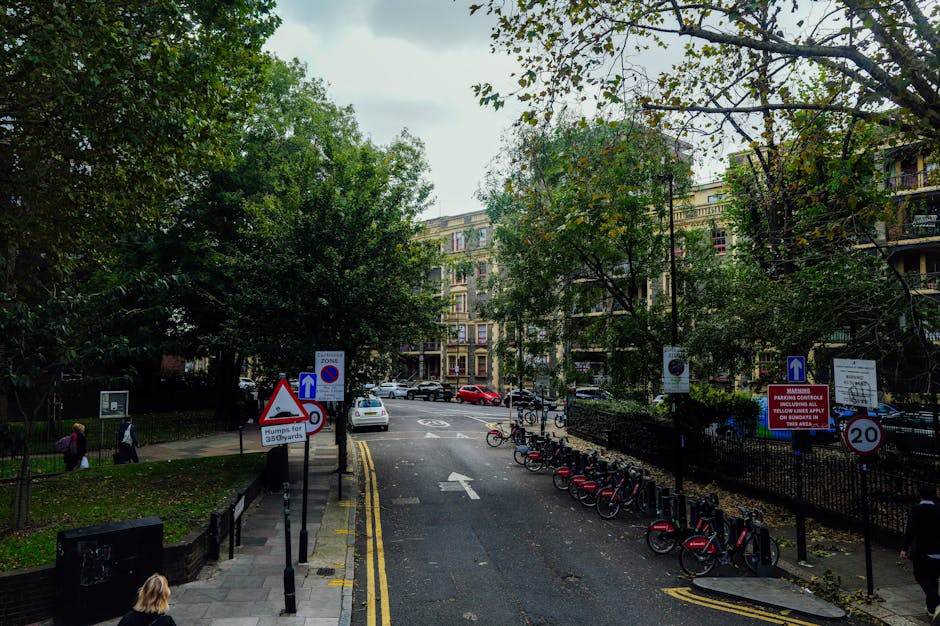
Local removals can look straightforward on a map and still be awkward in practice. Dartmouth Park Hill is exactly the kind of area where route planning and parking awareness can change the feel of the whole day. A route that seems shorter may be slower if it includes tight bends, busier junctions, or roads where stopping the van is awkward. Parking can be the bigger issue still, because a van parked far from the entrance means more carrying, more time, and more physical strain.
That matters for three reasons. First, your time estimate becomes more realistic when access is considered properly. Second, your final cost is usually tied to how efficiently the move can be completed. Third, the safety of the people moving the items improves when loading distances are shorter and the route is better planned. It is a simple equation, really: better access usually means less hassle.
This is also why services such as man with a van in Dartmouth Park and man and van solutions are often a good fit for local moves. They are flexible enough to deal with smaller loads, awkward access, and time-sensitive jobs without the overhead of a larger operation.
Practical summary: On Dartmouth Park Hill, the real moving challenge is rarely distance. It is access. Route choice, parking proximity, and loading time usually have more impact on cost and stress than the number of miles alone.
How Dartmouth Park Hill moves: local route, parking & costs Works
A good local move follows a simple sequence: assess the property, plan the route, check parking, estimate load time, and then match the vehicle and crew to the job. If one part is weak, the whole process slows down.
1. Route planning starts before the van arrives
For a Dartmouth Park Hill move, the route should be considered from both ends. That means looking at the collection address, the destination, and the best path between them. In a dense urban area, the shortest route is not always the smartest one. A slightly longer road may be easier for a van to navigate, especially if there are fewer stop-start sections or less congestion at your chosen move time.
If your move includes bulky furniture or fragile items, route choice becomes even more important. A driver may need space to load safely, or a calmer road to avoid repeated braking. For unusually awkward items, such as a piano, it is worth reading this guide to piano transportation before the moving date.
2. Parking determines how efficient the loading really is
Parking affects everything from labour time to item safety. If the van can stop close to the entrance, the crew can move items quickly and with fewer breaks. If parking is distant or only available on a side street, each item takes longer to move, especially heavier furniture.
When parking is uncertain, a mover may need to build extra time into the quote. That is not a hidden cost; it is usually just a realistic reflection of the job. In many local moves, parking uncertainty is one of the main reasons prices vary from one property to another.
For a useful overview of how to keep your move smooth under pressure, see these stress-free moving tips. They are especially helpful if you are coordinating handover times, keys, and parking at once.
3. Costs are usually driven by time, access, and complexity
Most local moving quotes are shaped by a combination of labour time, van size, route efficiency, and access conditions. The more direct the move, the more predictable the price tends to be. The more waiting, carrying, or parking difficulty involved, the more the cost can rise.
Common cost influences include:
- the volume of furniture or boxes
- the distance between van and front door
- stairs, lifts, or narrow hallways
- the need for packing support or dismantling
- special handling for heavy or fragile items
- same-day or short-notice timing
If you want pricing to be as transparent as possible, it is sensible to request a tailored estimate through the pricing and quotes page. For moves that need to happen quickly, the same-day removals option may also be worth considering.
Key Benefits and Practical Advantages
Good local planning does more than save money. It creates a calmer move, which sounds obvious until you are trying to carry a wardrobe around a tight corner while someone is blocking the only sensible parking space. Then it becomes very obvious.
Less downtime on moving day
When route and parking are sorted early, the team spends less time waiting and more time moving. That can make a remarkable difference if your building has a time window for access, or if you are trying to avoid clashing with traffic peaks.
Lower risk of damage
Items are safer when they are moved over shorter distances from property to van. Fewer extra lifts usually means fewer chances for scuffed walls, bumped corners, or strained backs. If you are moving a sofa or bulky items, practical guidance like keeping sofas in good condition during storage can also help you protect your furniture before and after transport.
Better cost control
A well-planned local move is easier to quote accurately. That makes it easier to compare services fairly rather than choosing the cheapest headline price and discovering later that access issues were not fully accounted for. If you are comparing providers, it can help to review the differences between removal companies in Dartmouth Park, a removal van service, and a more flexible van-based moving option.
Less disruption for neighbours and buildings
In hill areas and tightly packed streets, a considerate move matters. Clear timing, quick loading, and sensible parking reduce disturbance for residents, pedestrians, and building managers. That is good manners and good logistics at the same time.
Who This Is For and When It Makes Sense
This type of move is relevant to a wide range of people, but it is especially useful if your situation has one or more of the following features:
- you are moving within Dartmouth Park or nearby streets
- your property sits on a hill, narrow road, or limited-access street
- you live in a flat with stairs or shared entry points
- you only have a small-to-medium load
- you need flexible timing rather than a full-scale removals crew
- you are moving on a deadline, such as tenancy changeover or end of term
Students often find this kind of support useful, especially when they need an efficient and budget-aware service. In that case, the student removals in Dartmouth Park page is worth a look. Flat-dwellers may also prefer the specifics of flat removals, while larger households often need a more structured house removals service.
It also makes sense for anyone who wants the move handled with proper care rather than improvisation. A good mover does not simply provide a van. They think through the access, the handling, the packing, and the route so you do not have to solve those problems on the day.
Step-by-Step Guidance
If you want your move to go well, keep the planning process practical and unglamorous. The glamorous part is never the part that saves time.
Step 1: Walk the route from property to van
Check how far items will need to be carried, where the steps are, and whether there are awkward entry points. Note any gates, kerbs, or tight corners. If you are not sure whether the van can stop nearby, assume it may need a little extra space and plan accordingly.
Step 2: Decide what actually needs to be moved
Reducing clutter is one of the easiest ways to lower cost and complexity. It is worth separating keep, donate, recycle, and dispose piles before the moving date. A focused declutter can make the job noticeably quicker, and this guide on how to tackle clutter head on is a useful companion if your home has accumulated more than you expected.
Step 3: Pack by priority, not by room alone
Room-based packing is fine, but priority-based packing is better. Keep essentials accessible, label boxes clearly, and pack the items you will need first in the new place last into the van so they come out first. For a fuller approach, see how to pack like a professional when changing homes.
Step 4: Reserve or confirm parking where needed
Where parking is tight, a small bit of pre-arrangement can save a surprising amount of time. Even if no formal permit is required, it helps to think through where the van will stand, how long it needs, and whether neighbours or building managers need notice.
Step 5: Match the vehicle to the load
A smaller load does not always need a large van, and a larger load should not be squeezed into one if it means multiple unsafe trips. The right vehicle makes loading faster and usually cheaper than using a size that is either too small or unnecessarily large. If you are unsure, a tailored assessment from a removal services provider is usually the simplest route.
Step 6: Prepare special items separately
Bulky beds, mattresses, freezers, and sofas all benefit from item-specific planning. For example, a mattress should be protected and moved in a way that keeps it clean and supported; a freezer may need staged preparation; and a sofa can be vulnerable to abrasion if handled carelessly. Useful guides include bed and mattress relocation tips, temporary freezer storage guidance, and sofa preservation advice.
Expert Tips for Better Results
In our experience, the best local moves are not the ones with the biggest teams. They are the ones where the details are quietly sorted before anyone starts lifting.
- Book with access in mind, not just date availability. A convenient slot is not much use if the street is awkward at that time of day.
- Tell the mover about stairs, parking limits, and awkward furniture early. Good estimates depend on accurate information.
- Keep a small essentials bag separate. Kettle items, chargers, medication, documents, and keys should not be buried under boxes.
- Disassemble only what genuinely needs dismantling. Over-disassembly creates more work than it saves.
- Protect walls and door frames. On a narrow access route, this can prevent the sort of small damage that irritates everyone.
- Use the right lifting technique. A quick read on safe solo lifting techniques and movement-aware lifting can help reduce strain, even if professionals handle the heavy work.
If your move includes valuable or oversized items, such as a piano, ask about specialist handling rather than assuming a standard van move will do the job. Proper equipment and experience matter there.
Common Mistakes to Avoid
Most moving headaches come from a handful of predictable errors. The good news is they are all avoidable with a bit of realism.
Assuming parking will sort itself out
It often does not. If the van cannot get close, the move takes longer and costs more. Build in a parking plan before moving day rather than hoping for the best.
Underestimating carrying distances
A short walk from flat to van can become a long job when repeated thirty times. This is especially true with boxes, bookcases, or heavy kitchen items.
Not preparing bulky items in advance
Mattresses, wardrobes, sofas, and freezers take time to prepare properly. Leaving that until the morning of the move usually creates panic. A little preparation goes a long way.
Choosing the wrong service for the job
A simple room move may be ideal for a man-with-a-van setup. A larger family house, office move, or item requiring extra handling might need a more structured service. If you need a focused option for business premises, look at office removals in Dartmouth Park. If the move involves one-off transport and you want speed, local removals support may be enough.
Forgetting about cleaning and final handover
Move-out day is more than transport. If you are leaving a property, a clean finish matters. This article on leaving a clean house on move-out day is a practical reminder that the last impression counts.
Tools, Resources and Recommendations
You do not need a mountain of equipment for a local move, but a few sensible tools make a real difference.
| Item | Why it helps | Best for |
|---|---|---|
| Strong boxes | Protects items and stacks cleanly in the van | General household packing |
| Blankets and wrap | Reduces scratches and knocks | Furniture and appliances |
| Labels and tape | Keeps loading and unloading organised | Fast unpacking |
| Dolly or trolley | Helps move heavier items safely | Bulky boxes, appliances, flat moves |
| Measured route notes | Clarifies parking and carrying distance | Any move with access constraints |
For packing supplies, the packing and boxes page is a useful starting point. If you need temporary space while you wait for keys or finish clearing a property, storage in Dartmouth Park can help bridge the gap.
It can also be useful to look at the company background and support pages. The about us page helps establish who is behind the service, while insurance and safety gives you a clearer picture of how care and responsibility are handled. For practical trust signals around payment, the payment and security page is worth a quick read too.
Law, Compliance, Standards, or Best Practice
For local household moves, the main compliance issue is usually not a complex legal form. It is more about acting responsibly in shared spaces, parking safely, and handling items in a way that avoids damage or injury.
Best practice usually includes:
- parking only where lawful and safe
- respecting building access rules and time windows
- using proper lifting methods and suitable equipment
- protecting common areas where possible
- being clear about liability, insurance, and what the service includes
If you are booking a moving service, read the terms and conditions carefully so you know what is included, what needs to be declared in advance, and how changes are handled. It is also wise to check the health and safety policy and the accessibility statement if access needs or mobility concerns are part of the move.
For people who care about wider ethical standards, the recycling and sustainability page is relevant when deciding how unwanted items, packaging, or reusable materials should be handled. If you are comparing providers, it is also reasonable to check how complaints are managed via the complaints procedure. That tells you a lot about how a company behaves when a job does not go perfectly, which is often the real test.
Options, Methods, or Comparison Table
The right moving method depends on how much you are moving and how tricky access will be. A quick comparison can help you decide.
| Option | Best for | Main advantage | Possible drawback |
|---|---|---|---|
| Man with a van | Small to medium local moves | Flexible and often cost-effective | May need more hands for heavier loads |
| Dedicated removal van | Single-trip transport with clearer load planning | Good for organised, efficient moving | Less flexible if access changes late |
| Full house removals | Whole-home relocation | Better for larger furniture volumes | Usually more expensive than smaller options |
| Flat removals | Apartment moves with stairs or shared access | Designed around building access challenges | Still depends on parking conditions |
If you are moving just a few items, a man and van service can be the sweet spot. If you are moving a whole property, the structure of house removals may be more appropriate. And if your move is time-sensitive or very small, a same-day option can be helpful, provided access is straightforward enough.
Case Study or Real-World Example
Consider a typical local scenario: a one-bedroom flat near Dartmouth Park Hill with a sofa, bed frame, mattress, small table, six boxes of books, and a few kitchen items. The actual distance to the new address is modest. The challenge is parking, because the best stopping point is not directly outside either building.
In that situation, the move works best when the client flags the parking issue early, packs the boxes in advance, and keeps the route from flat to van clear. The mover can then plan for the carrying distance, bring the right equipment, and estimate time more accurately. The end result is usually a calmer day and a fairer cost than a last-minute scramble would produce.
Now compare that with a move involving a heavy piano, a freezer, and a sofa from a top-floor property. Suddenly the job is not just a local move. It is a handling and access challenge. Specialist planning matters, which is why the linked guidance on piano transport and freezer storage is relevant rather than optional.
The practical lesson is simple: the move is never just about moving things. It is about moving them without wasting effort, time, or money.
Practical Checklist
Use this checklist before moving day to keep the job efficient and predictable.
- Confirm the moving date and time window
- Check both addresses for parking and access constraints
- Measure large furniture and awkward doorways
- Decide what is moving, storing, donating, or recycling
- Pack non-essential items in advance
- Label fragile boxes clearly
- Prepare any special items separately
- Keep keys, documents, chargers, and essentials accessible
- Notify building management or neighbours if needed
- Review the quote, terms, and insurance details before confirming
If you need extra confidence around the physical side of the move, it is worth refreshing your approach to lifting and carrying. A quick read on safe solo lifting can be surprisingly useful, even if you do not plan to do much yourself.
Conclusion
Dartmouth Park Hill moves are easiest when you treat route, parking, and costs as connected parts of one plan. Get the route right, and the van arrives without drama. Get parking right, and the loading process becomes quicker and safer. Get the cost estimate right, and you avoid the kind of budget surprises that can sour an otherwise simple day.
For most people, the smartest approach is to be honest about access, clear about what is moving, and realistic about time. That gives you a better quote, a better service match, and a much calmer moving day. If you are planning a local relocation soon, the next step is to compare your service needs and request a tailored price based on your actual property and load.
Get a free quote today and see how much you can save.