Camden Council skip permits near Dartmouth Park Road
Posted on 06/07/2026

Camden Council skip permits near Dartmouth Park Road: a practical guide for hassle-free waste removal
If you are planning a clear-out, renovation, or move around Dartmouth Park Road, the last thing you want is a permit problem slowing everything down. Camden Council skip permits near Dartmouth Park Road are not the most glamorous part of a project, but they can be the difference between a smooth job and an avoidable headache. And yes, the small details matter here. Street space is tight, parking is often limited, and a skip placed without the right permission can create stress fast.
This guide breaks the topic down in plain English. You will learn what a skip permit is, why it matters locally, how the process usually works, and what practical choices make sense if you are working near Dartmouth Park Road. Along the way, we will cover common mistakes, compliance basics, useful planning tips, and the alternatives that can save time when you are on a deadline.
Why Camden Council skip permits near Dartmouth Park Road matters
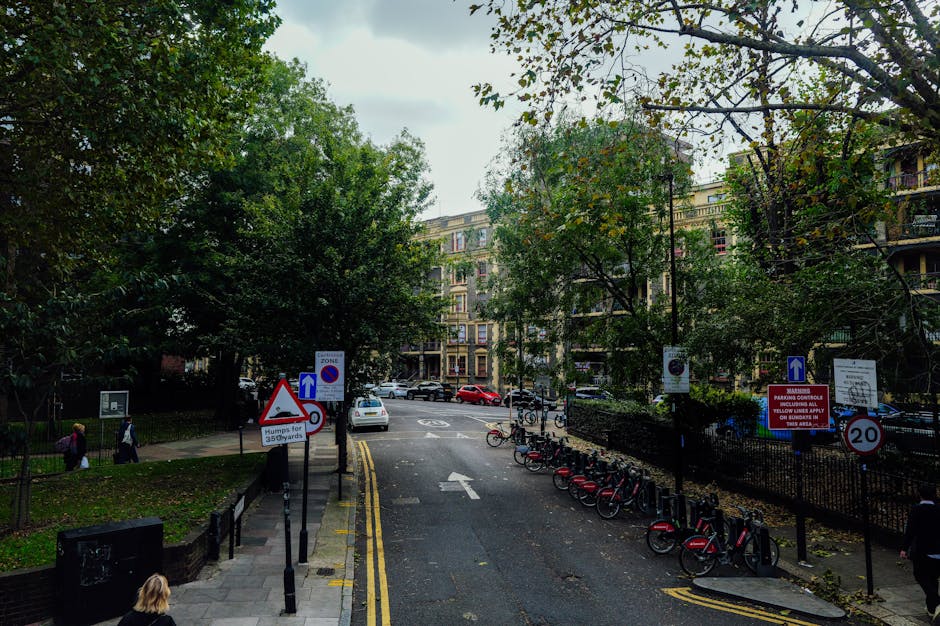
In a neighbourhood like Dartmouth Park Road, space is at a premium. Parked cars, narrow residential streets, and the practical reality of busy London life mean a skip cannot simply be dropped anywhere and left there. A permit exists to make sure the skip is legally placed, safely visible, and managed in a way that does not obstruct traffic or pedestrians.
That matters for a few reasons. First, a skip in the wrong place can create a safety issue for drivers, cyclists, and people pushing buggies or carrying shopping bags. Second, it can lead to fines or removal costs if it is not authorised. Third, if you are already juggling builders, removal schedules, or a deadline to hand back keys, even a small delay can ripple through the whole project. Let's face it, nobody wants the skip to become the main event.
For anyone moving home, clearing out a loft, or managing rubbish from a refurbishment, understanding the permit side early is just good planning. It keeps the job realistic. If you are also trying to reduce clutter before a move, it helps to read practical decluttering advice for busy moves so the waste you generate is more manageable from the start.
How Camden Council skip permits near Dartmouth Park Road works
At a simple level, a skip permit is permission to place a skip on the public highway. That usually means the road, kerbside, or another council-controlled space rather than private land. If the skip is entirely on your own driveway, forecourt, or private property, a permit is often not needed. But once the container touches public space, the permit question usually comes into play.
The key point is that the permit is tied to location, not just to the skip itself. That means the same skip could be allowed on private land and require permission just a few feet away on the street. Near Dartmouth Park Road, where frontages and parking arrangements vary from property to property, that distinction is especially important.
In practice, the process normally works like this:
- You decide whether the skip will be on private land or public highway space.
- If public highway space is involved, a permit application is usually needed before placement.
- The skip provider often helps arrange or advise on the permit, although responsibilities can vary.
- Once approved, the skip must be placed and marked correctly, then removed within the permitted timeframe.
It sounds straightforward, but the real-world bit can be fiddly. If the street is busy or access is awkward, it is worth thinking about alternatives such as a man with a van collection, staged rubbish removal, or even short-term storage if the timing is messy. For that side of planning, this moving-planning guide is a helpful companion piece.
Key benefits and practical advantages
Done properly, a skip permit does more than keep you on the right side of local rules. It also gives you a cleaner, calmer project.
- Predictable waste removal: You know where the waste is going and when it will be collected.
- Less disruption: A permitted placement is less likely to trigger complaints or enforcement action.
- Better project flow: Builders, decorators, and movers can work around a known collection point.
- Safer access: Proper placement reduces the chance of blocking sightlines or footpaths.
- Cleaner presentation: Particularly useful if you are preparing a property for sale, letting, or check-out.
There is also a practical psychological benefit, which is easy to overlook. When waste is corralled in one place, the whole job feels more under control. A pile of old shelves, broken boxes, and bagged rubbish spread across the hallway is exhausting to look at. One contained skip? Much better. If you are planning a bigger house clear-out, the article on leaving a house clean on move-out day pairs well with this topic.
Who this is for and when it makes sense
Skip permits near Dartmouth Park Road are usually relevant for people dealing with bulky, awkward, or high-volume waste. Think renovation debris, stripped-out kitchen items, old timber, broken furniture, garden waste after a serious tidy-up, or years of accumulated household clutter.
You are likely to need one if you are:
- renovating a flat or house and need a dedicated waste container
- clearing a loft, basement, shed, or storage room
- preparing a property for sale or end-of-tenancy handover
- coordinating a major move with lots of unwanted furniture
- working on a tight schedule and need a fixed disposal point
It may make less sense if you only have a small amount of mixed rubbish. In those cases, a smaller collection method can be quicker and less cumbersome. For student moves, for example, the need is often more about rapid load-and-go than a roadside skip. That is where student removals in Dartmouth Park can sometimes be more practical than setting up a skip at all.
A good rule of thumb: if the waste is sizeable enough to keep tripping over, or you need it out of the way for more than a few hours, a skip or an alternative planned collection method is probably worth considering.
Step-by-step guidance
If you want a low-drama process, start planning early. The permit itself is only one part of the job; access, timing, and waste sorting matter too.
- Assess the volume and type of waste. Heavy rubble, mixed refurbishment waste, furniture, and general rubbish each create different practical issues.
- Check whether the skip will sit on private or public land. This is the key decision. If the container touches the road, assume permission may be required.
- Confirm access. Measure the available space, think about turning room, and check whether parking restrictions could interfere.
- Choose the right size. Bigger is not always better. Oversized skips can be awkward in tight streets, and you may not need one.
- Plan the fill sequence. Put in bulky items first, then flatter or lighter material. It is a bit like packing a van, actually.
- Keep prohibited items out. Different waste streams often need separate handling.
- Arrange collection before the area becomes congested. On busy streets, late removal is where things get messy.
When you are moving as well as clearing waste, the timing can be the tricky bit. We have seen people underestimate how long a property transition takes because they focus only on the largest items. If that sounds familiar, the guide on timing a move to and from Dartmouth Park is useful for building a more realistic schedule.
Expert tips for better results
A few practical habits will save you time, money, and no small amount of frustration.
1. Work backwards from collection day
People often book the skip and then assume the rest will sort itself out. Better to work backwards: what has to be out of the loft first, what needs dismantling, what must be bagged, and what can wait until the end?
2. Keep the route clear
From the front door to the skip, keep the path clear of loose screws, packing paper, and stray box tape. Small stuff underfoot becomes annoying fast, especially if you are carrying anything awkward.
3. Separate reusable items early
Not everything needs to go into the skip. Good-quality furniture, appliances, or boxes may be worth rehoming, storing, or reselling. If you are sorting furniture for removal rather than disposal, this furniture removal service information may help you decide what should be moved instead of dumped.
4. Protect neighbours and shared access
On narrower streets, a skip can affect more than your own frontage. Give a bit of breathing room where you can. A considerate approach tends to prevent complaints before they begin.
5. Keep weather in mind
A wet afternoon can turn light waste into a soggy mess. If you know rain is likely, try to load cardboard and paper later, or cover sensitive material properly. Simple, but useful.
One more thing: if the job includes lifting heavy items into the waste container, do not improvise. A bad back is an expensive souvenir. The article on safe solo lifting techniques is worth a look if you are dealing with awkward loads and limited help.

Common mistakes to avoid
The most common errors are not dramatic. They are the boring little oversights that snowball.
- Leaving permits too late: If a skip is needed on the street, last-minute planning can delay the whole job.
- Guessing the size of the waste pile: Underestimating volume leads to overflow or extra collections.
- Blocking access without checking first: That can cause issues for residents, deliveries, and emergency access.
- Mixing the wrong materials: Some waste types need separate handling and should not simply be thrown together.
- Assuming all roadside placement works the same way: Local streets vary a lot, and Dartmouth Park Road is no exception.
- Using the skip as a storage box: It is not meant to sit half-full for ages while the rest of the project drags on.
And yes, people do sometimes forget the permit question until the skip is already on site. That is usually when everybody starts speaking more quickly than normal. Best to avoid that scene entirely.
Tools, resources and recommendations
You do not need a giant toolkit to manage this well, but a few simple resources help a lot.
- Measuring tape: Useful for checking whether the skip or alternative vehicle will fit.
- Marker pens and labels: Helpful if you are separating waste streams.
- Heavy-duty bags and gloves: Makes loading safer and cleaner.
- Basic plan or checklist: Keep the removal sequence realistic and visible.
- Photo records: A quick before-and-after record can help keep everyone aligned during a larger job.
For readers weighing different move-related services, these pages can help you compare options and plan the wider job more confidently: services overview, removals in Dartmouth Park, and man with a van in Dartmouth Park. They are not about permits directly, but they matter if the waste clear-out is part of a bigger move.
If you are dealing with bulkier household items, it can also help to think about storage before disposal. For example, a sofa may be better protected and stored than rushed into a skip, especially if it still has life left in it. The guide on keeping a sofa in good condition after storage gives you a useful alternative perspective.
Law, compliance, standards, or best practice
Without pretending every local detail is identical every time, the safe approach in the UK is to treat any use of the public highway for a skip as a controlled activity. In plain terms, that means checking permissions, using the right signage and markings, and making sure the skip is placed responsibly.
Best practice also means thinking about public safety, visibility, and access. A skip should not create a hidden hazard in low light or obstruct pedestrians. If the area is busy, the container should be positioned so it is obvious to road users. That is not just bureaucratic fussiness; it is common sense.
For households and businesses, there is also a wider duty of care around waste. You should avoid fly-tipping, keep waste contained, and use a responsible disposal route. If you are working with a removals or waste-handling provider, their safety approach matters too. You can read more about our stance on safety in the health and safety policy and how we handle risk in insurance and safety.
For environmentally conscious readers, it is also worth considering whether some items can be reused or recycled rather than simply discarded. That is often the smarter route, especially for furniture and mixed household goods. A more careful disposal strategy can reduce waste and, frankly, make the whole job feel a bit cleaner in your head.
Options, methods, or comparison table
There is more than one way to handle waste near Dartmouth Park Road. The best option depends on volume, access, timing, and how much disruption you can tolerate.
| Option | Best for | Strengths | Watch-outs |
|---|---|---|---|
| Roadside skip with permit | Larger clear-outs, renovation waste, bulky mixed rubbish | Convenient, stays on site, good for ongoing loading | Requires planning, space, and permission if on public highway |
| Skip on private land | Homes with driveways or forecourts | Usually simpler, less paperwork, fewer street issues | Needs enough private space and clear access |
| Van-based collection | Smaller or more time-sensitive loads | Flexible, quicker, avoids roadside placement issues | May need more manual loading and careful scheduling |
| Storage first, removal later | When the decision on keeping items is not final | Buys time, reduces rushed disposal | Extra step, extra cost, not ideal for urgent clear-outs |
If your property is a flat with awkward access or tight stairs, a skip may not be the cleanest answer anyway. In those situations, the logistics around the building can matter more than the waste volume itself. For a local reality check, see this guide to tight stair removals on Dartmouth Park Road.
Case study or real-world example
A realistic example might help. Imagine a couple clearing a first-floor flat near Dartmouth Park Road after years of gradual accumulation. They have old shelving, some broken flat-pack furniture, cardboard, a few bagged odds and ends, and a half-finished redecorating project. The first thought is often, "We need a skip."
But once they measure the frontage, check resident parking pressure, and think about the loading angle, a different picture emerges. A roadside skip could work, yes, but it would need permission and would likely sit close to a tight section of road. That means more care, more planning, and a real risk of interrupting the week if the permit is delayed.
In the end, they choose a more flexible approach: some reusable items are set aside for storage, the bulky furniture is dealt with separately, and the remaining waste is cleared in a timed collection. The result is not just cleaner. It is calmer. No crowding the pavement, no awkward waiting around, and no surprise on the morning when the street is already full.
That is the big lesson. The best waste plan is not always the biggest one. It is the one that fits the property, the street, and your timetable.
Practical checklist
Use this before booking or placing anything.
- Measure the available space outside the property.
- Confirm whether the skip will be on private land or public highway space.
- Check access for delivery and collection vehicles.
- Estimate the amount of waste honestly, not optimistically.
- Separate reusable, recyclable, and disposable items early.
- Make sure heavy items can be lifted safely.
- Plan around neighbours, parked cars, and busy times of day.
- Keep wet or delicate waste protected where possible.
- Book removal or collection dates with a little breathing room.
- Review the project again before the skip arrives so nothing is forgotten.
If you are managing the move itself at the same time, packing and organisation matter just as much as waste removal. A practical packing system can stop the whole house from turning into chaos by tea-time. The guide on packing like a professional when changing homes is a strong companion read.
Conclusion
Camden Council skip permits near Dartmouth Park Road may sound like a small administrative detail, but they sit at the centre of a bigger practical picture: safety, access, timing, and keeping a project under control. If you treat the permit question early, you avoid most of the stress that tends to show up later. Simple as that.
For larger clear-outs, renovation waste, or move-related clutter, the smartest approach is to compare your options honestly and choose the method that fits the street as well as the job. Sometimes that is a skip. Sometimes it is not. The best result is the one that keeps things moving without making a mess of the road or your week.
Get a free quote today and see how much you can save.
And if you are in the middle of a busy move or clear-out, take a breath. A good plan goes a long way, and even the awkward bits are manageable with the right order of work. One step at a time, really.