Reserve a timed parking bay for Dartmouth Park Road removals
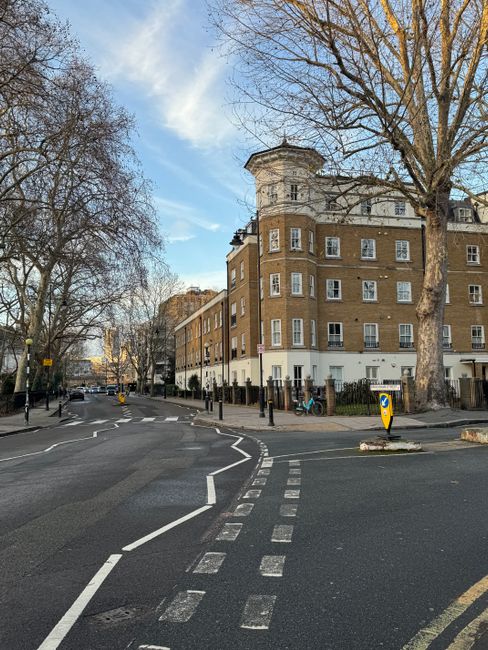
If you are planning a move on Dartmouth Park Road, the parking question can make or break the whole day. It sounds small until a van pulls up, the street is half-full, and every extra minute starts to nibble away at your schedule. Reserving a timed parking bay for Dartmouth Park Road removals gives you a controlled loading space, less faff, and a far calmer move.
This guide explains what a timed bay actually does, why it matters on a busy North London street, how the process usually works, and what to watch out for before move day. You will also find a practical checklist, a comparison table, and answers to the questions people ask most often when they are trying to keep a removals day tidy, legal, and on time. Truth be told, a little planning here saves a lot of shouting later.
Why Reserve a timed parking bay for Dartmouth Park Road removals Matters
Dartmouth Park Road sits in a part of London where space is at a premium and timing matters more than most people expect. Even when a road looks manageable on a normal afternoon, removals introduce a very different rhythm: a van needs to stop close to the front door, furniture has to move quickly, and nobody wants to carry wardrobes down the pavement while trying to dodge traffic, cyclists, or a passing bus. That is exactly where a timed parking bay helps.
The main idea is simple. You set aside a space for a fixed period so your removal vehicle has somewhere predictable to park while loading or unloading. On a street like Dartmouth Park Road, that predictability is gold. You reduce the chances of circling the block, you cut down on manual carrying distance, and you help the crew keep to the agreed moving schedule. If you have ever tried to move a sofa when the nearest legal space is two streets away, you will know the difference instantly.
There is also a trust issue here. When your removal team knows they will have a proper bay at the right time, the whole move feels more controlled. Fewer interruptions. Less rushed lifting. A much lower chance of that grim little moment when someone says, "We may have to wait a bit." Nobody likes that sentence on moving day.
For local moves, especially in dense residential streets, parking arrangements are not just a nice extra. They are part of the logistics. A timed bay can be the difference between a smooth first hour and a day that feels like it is already slipping through your fingers by 9:15 in the morning.
How Reserve a timed parking bay for Dartmouth Park Road removals Works
In practical terms, reserving a timed bay means arranging a temporary loading or parking space for a removal vehicle during your move window. The exact process can vary depending on the location and the authority responsible for the street, but the logic is usually consistent: you identify the stretch of road you need, choose the time slot, and make sure the bay is clearly set aside in advance so it can be used legally and effectively.
For removals, this matters because a loading bay is not the same thing as ordinary curbside parking. A normal parking space might be full, restricted, or simply too far from the entrance. A timed bay is planned around the move, often giving the vehicle better access during a specific period when loading or unloading is likely to happen.
That said, the fine detail matters. Not every bay works in the same way. Some are only available at certain times, some require a permit or approval, and some streets are better suited to one vehicle size than another. On Dartmouth Park Road, where access can be affected by road layout, parked cars, and nearby junctions, you want the bay position to support the move rather than complicate it.
In our experience, the best approach is to think about the whole chain: van arrival, bay location, property access, lift/stair use, and the time needed to carry items safely. That way you are not just reserving a space. You are building a workable move plan.
If your move also involves a full household relocation, services such as home moves or house removals often benefit most from a reserved bay because the volume of items makes short walking distances even more valuable. For smaller jobs, a simpler man with van setup may still benefit if the street is tight or access is awkward.
Key Benefits and Practical Advantages
There are a few very concrete reasons people choose to reserve a timed bay rather than hope for the best. It is not glamorous. It is just sensible.
- Shorter carry distance: the closer the van is to the property, the less time is spent walking furniture, boxes, and white goods back and forth.
- Better timing control: a planned bay reduces delays caused by searching for a legal space.
- Lower moving stress: the team can focus on lifting and protection, not parking drama.
- Reduced risk of obstruction: having a space ready helps prevent the van from blocking traffic or ending up in a risky position.
- Improved safety: less distance between door and vehicle can mean fewer trips on stairs, pavements, and kerbs.
- More efficient labour use: if movers are paid by time, a cleaner loading setup can keep costs under control.
There is a quieter advantage too. A reserved bay makes the day feel organised. That sounds minor, but anyone who has moved house knows the emotional difference between chaos and order. One feels like an ordeal. The other feels like a job with a plan.
For a street such as Dartmouth Park Road, where surrounding traffic and residential parking can change throughout the day, a timed bay can also help reduce the uncertainty that often comes with narrow urban streets. You are not trying to outguess who leaves first or who comes home late. You already have a slot. Nice and simple.
Expert summary: If your removals van needs predictable access, reserving a timed parking bay is one of the best low-cost logistics decisions you can make. It does not make the move easier in every respect, but it removes a surprisingly large source of friction.
Who This Is For and When It Makes Sense
This is not just for large house moves. A timed bay can be sensible in all sorts of situations, especially where access is fiddly or the property sits on a busy road. The most obvious cases include family homes, flats, upper-floor properties, and moves with larger furniture that needs a proper loading route.
You are likely to benefit if:
- you are moving from or to a flat with stairs and no private driveway;
- your property is on a street with heavy parking pressure;
- you have bulky furniture, fragile items, or lots of boxes;
- you are using a medium or large removals vehicle;
- you need the crew to work efficiently within a tight schedule;
- you are coordinating with building access times or concierge restrictions.
It is also helpful for commercial moves. A small office relocation, for example, may not sound as demanding as a full house move, but office equipment, desks, and files still need a practical loading setup. If you are relocating a workspace, a timed bay can keep the business side moving without unnecessary stop-start delays. See also office removals and commercial moves for the broader logistics picture.
To be fair, there are some moves where a reserved bay may be less essential. If you are moving a few bags and a small number of boxes, and the property has straightforward off-street access, the need is less pressing. But once you start dealing with tight streets, larger items, or a time-sensitive handover, the case becomes much stronger.
Step-by-Step Guidance
If you want the reserved bay to actually help on the day, the planning needs to be orderly. Here is the practical version.
- Assess your move size. Look at the volume of items, vehicle size, stairs, and distance from the property entrance to where the van would realistically park.
- Check the street layout. Dartmouth Park Road and the surrounding area can be affected by parked cars, loading activity, and local restrictions, so think about turning space and where the van can safely stop.
- Confirm timing. Build the bay reservation around the likely loading window, not just the move start time. A one-hour gap can be annoying; too tight a window can be worse.
- Coordinate with your removals team. Make sure the crew knows the exact access arrangements, property entrance, floor level, and any building rules.
- Prepare your belongings early. Boxes sealed, furniture dismantled where needed, and fragile items protected. The bay only helps if the contents are ready to go.
- Review signage and restrictions. If the reserved space needs notices or specific placement, check that everything is visible and correctly set up before the van arrives.
- Have a backup plan. If the bay is occupied, blocked, or there is an unexpected issue, know in advance what the alternative loading approach will be.
A small but useful habit: walk the route from front door to bay before move day. It takes two minutes. Maybe three if you stop to stare at the stairs and wonder why you own so many books. That simple walk often reveals where items might snag, where the pavement narrows, or where a trolley may struggle.
If packing still feels unfinished, consider support from packing and unpacking services. Good packing speeds everything up, and on a timed bay, speed is not about rushing. It is about avoiding waste.
Expert Tips for Better Results
There are some small choices that make a real difference. Nothing dramatic. Just the sort of practical detail that tends to separate a calm move from a slightly messy one.
- Choose the bay around the biggest vehicle, not the smallest item. People often plan for boxes and then forget the sofa.
- Leave a little timing buffer. Traffic, key handovers, and lift delays happen. Not every day, but enough to matter.
- Keep the entrance clear. Hallways, steps, and doorways should be ready before the van arrives, not after.
- Use colour-coded labels. It saves time when the crew is deciding which room each box belongs in.
- Think about weather. A wet pavement or drizzle can slow loading more than people expect, especially with protective wrapping and awkward items.
- Protect fragile items separately. When space is tight, fragile items should not be the last thing you grab in a panic.
Another useful tip: speak to your removals team about the sequence of loading. Heavy furniture first, then boxes, then awkward items that need careful placement. That order often works better than loading randomly, and with a timed parking bay, every minute of orderliness counts.
If you need a quicker response because your timetable is tight, same day removals in Dartmouth Park can be useful to explore, though same-day arrangements naturally depend on availability and the specifics of your move.
Common Mistakes to Avoid
A reserved bay sounds straightforward, but a few mistakes keep cropping up. Some are minor. Some are the sort that make you mutter under your breath while carrying a chest of drawers.
- Leaving the booking too late. Good access planning often needs lead time. Last-minute arrangements can limit your options.
- Underestimating the vehicle size. A van that is too small leads to extra journeys; one that is too large may be harder to position safely.
- Ignoring local restrictions. A space that looks usable may still have time-limited rules or loading conditions.
- Not informing neighbours or building management. It is not always required, but clear communication can reduce friction.
- Forgetting the loading route. The bay is only half the story. The path from property to vehicle matters just as much.
- Assuming every move will stay on schedule. Keys, lifts, weather, and access delays all have a habit of arriving uninvited.
One common slip is planning the bay but not the unloading order. If boxes are mixed with loose items and unlabelled furniture parts, the crew wastes time hunting for what goes where. That is manageable, but not ideal. In the middle of a busy street, small inefficiencies get magnified.
Another one: people sometimes focus on parking and forget the building itself. Tight stairwells, narrow landings, awkward turns, and low railings can affect the move just as much as the road outside. For flats and upper-floor properties, local knowledge helps a lot. A guide like Dartmouth Park Road flats and tight-stair removals is worth a read if your property access is awkward.
Tools, Resources and Recommendations
You do not need a long list of gadgets to reserve a timed parking bay well. What you do need is a sensible mix of planning tools and move-day kit.
| Tool or resource | Why it helps | Best used for |
|---|---|---|
| Floor plan or room list | Helps estimate what needs loading and how much time the bay should cover | House and flat moves |
| Calendar with time blocks | Keeps the move window, key handover, and vehicle arrival aligned | Any timed move |
| Labels and marker pens | Speeds up unloading and room placement | Box-heavy relocations |
| Furniture covers and blankets | Protects items during short carries and loading | All removals |
| Trolley or sack truck | Reduces manual lifting and speeds up short-distance transport | Heavy or bulky items |
| Access notes | Records entrance codes, floor numbers, and route details | Flats and managed buildings |
It also helps to use local reading that relates to your move type. For example, if you are comparing vehicle sizes and budget, best value man with van services in Dartmouth Park can help you think through the balance between cost and capacity. If you need a fuller service, removal services is a useful starting point for understanding broader options.
For anyone trying to keep costs sensible, the article on pricing and quotes gives a good sense of how moving work is typically scoped. You do not want to guess. Guessing usually gets expensive, and a move day is no place for pleasant surprises, frankly.
Law, Compliance, Standards, or Best Practice
Parking arrangements for removals need to respect local rules, road markings, and any restrictions that apply to the street. The exact requirements can vary depending on location and the type of bay or suspension involved. Because of that, the safest approach is to treat the reserved space as something that must be properly authorised and clearly understood before move day.
Good practice usually means checking:
- whether the bay can be used at your chosen time;
- whether any permit, notice, or approval is needed;
- whether the vehicle size is suitable for the space;
- whether the route to and from the property is safe and practical;
- whether the move could affect pedestrians, neighbours, or traffic flow.
Removal work also has a safety side. Heavy lifting, awkward angles, and tight urban streets can create real risk if the plan is weak. A serious removals provider will normally treat access planning as part of the job, not an afterthought. If you want a clearer look at how safety is handled, see insurance and safety and the health and safety policy.
For many customers, the key standard is simple: do the job safely, legally, and without unnecessary disruption. That means no guessing about parking, no blocking access in ways that create avoidable problems, and no rushing items through a space that is too small. It is not exciting, but it is what good practice looks like.
If sustainability matters to you, the way a move is organised can also influence waste and fuel use. Fewer failed parking attempts, fewer extra trips, and better loading efficiency all help. The company's recycling and sustainability information is a useful reference if you are trying to keep the move tidy from start to finish.
Options, Methods, or Comparison Table
There is more than one way to handle parking for a removals job. The best choice depends on access, budget, and how complicated the move is. Here is a straightforward comparison.
| Approach | Best for | Pros | Trade-offs |
|---|---|---|---|
| Timed reserved bay | Busy streets, flats, larger moves, short loading windows | Predictable access, less walking, better schedule control | Needs planning and proper setup |
| Unreserved street parking | Quiet streets, light moves, flexible timing | Simple if space is available | Uncertain, slower, and sometimes not practical at all |
| Off-street driveway or forecourt | Homes with private access | Fast loading, minimal parking concern | Not available on many London streets |
| Alternative parking nearby | Smaller moves with some flexibility | May avoid reservation steps | Often increases carrying distance and time |
For Dartmouth Park Road, the reserved bay is often the most balanced option when access is tight and the schedule matters. It keeps the move local, simple, and closer to the front door. In some cases, a vehicle can also be chosen to match the parking situation, which is where moving van or removal van options become relevant.
If your move includes furniture disposal or a partial clear-out, the timing of the bay can help there too. A service such as furniture pick up or a well-planned man and van removals job can be easier to manage when the vehicle has a clean loading position. Simple, really. But effective.
Case Study or Real-World Example
Picture a typical Friday morning move from a first-floor flat on Dartmouth Park Road. The client has a sofa, a bed frame, several boxes of books, two wardrobes, and a few awkward kitchen items that never seem to fit into a square box, do they? The crew arrives just after the agreed time, but traffic is already building and on-street parking is patchy.
Because a timed bay was arranged in advance, the van can stop close to the entrance instead of looping the area. That means the team can begin with the heavier items while energy is fresh, keep fragile pieces moving safely, and avoid dragging items a long distance along the pavement. The stairwell is narrow, but the loading point is easy. The whole job still takes effort, of course, but it stays controlled.
Without the reserved bay, the same move could easily pick up friction: searching for parking, carrying items farther than expected, and losing momentum before the main load is even on the van. That is the real value here. Not drama reduction for its own sake. Just fewer obstacles in the way of a normal, busy day.
If you are moving within the wider area, the surrounding route matters too. Local timing tips in moving to/from Dartmouth Park to Archway timing tips can help you plan the rest of the journey once the van leaves the bay. And if you are trying to pick a sensible moving day, best days to move in Dartmouth Park gives a useful local perspective.
Practical Checklist
Use this before move day. It is plain, but it works.
- Confirm the move date and access window.
- Check whether a timed bay is needed for the vehicle size.
- Review the street for restrictions, turning room, and loading access.
- Notify the removals team of the exact address and any building rules.
- Prepare boxes, labels, and protective wrapping in advance.
- Measure large furniture if there is any doubt about stair or doorway clearance.
- Keep a copy of key contact details handy on the day.
- Build in a time buffer for traffic, keys, or building access delays.
- Make sure fragile items are packed separately and clearly marked.
- Have a backup plan if the bay is unavailable or blocked.
Practical takeaway: if you get the parking right, the rest of the move becomes far easier to manage. Not perfect. Just far easier. And that is usually enough.
For questions about availability, timing, or tailored move planning, it helps to speak directly with a local team through contact us. If you are comparing options and want to understand overall value before committing, it is also worth reviewing about us so you know how the service is organised.
Get a free quote today and see how much you can save.
Conclusion
When you reserve a timed parking bay for Dartmouth Park Road removals, you are doing more than booking a space. You are removing uncertainty from one of the busiest parts of the day. For a move in a tight London street, that can make a serious difference to pace, safety, and peace of mind.
The most successful moves are usually the ones that look simple from the outside because the planning was done properly behind the scenes. Bay reserved, access checked, boxes ready, crew briefed. That is the sort of calm setup that lets the day unfold without constant fire-fighting.
And if one small parking decision can spare you a lot of stress, well, that seems worth it. Honestly, it usually is.
Frequently Asked Questions
What does it mean to reserve a timed parking bay for Dartmouth Park Road removals?
It means arranging a parking or loading space for a removals vehicle during a specific time window so the van can load or unload close to the property with less disruption.
Why is a timed bay useful on Dartmouth Park Road?
Because local parking pressure, street activity, and access limits can make standard roadside parking unreliable. A reserved bay helps keep the move on schedule.
Do I need a timed bay for every move?
No. Smaller moves with easy off-street access may not need one. But for flats, larger households, or busy road locations, it is often a smart choice.
How far in advance should I plan the parking arrangement?
The earlier the better. Lead time gives you more flexibility with the move window, vehicle size, and any access issues that might come up.
Can a timed bay reduce removals costs?
Indirectly, yes. If the vehicle parks closer and loading is smoother, you may reduce wasted time and extra labour, which can help keep the overall job efficient.
What if another vehicle is already in the space?
That is one reason planning matters. A proper setup should include a backup approach, and your removals team should know what to do if the bay is blocked.
Is a timed bay different from ordinary street parking?
Yes. Ordinary parking is just finding a legal space if one exists. A timed bay is arranged around your move so access is predictable within the set period.
What size vehicle works best for a reserved bay?
That depends on the amount of furniture, boxes, and available access. A smaller van may fit more easily, but a larger van can reduce trips. The right choice is the one that fits both the load and the street.
Can I combine a timed bay with packing help?
Absolutely. In fact, it often makes the move smoother. If items are packed and labelled properly, the loading window is used much more efficiently.
What should I tell my removals team before the day?
Share the exact address, access notes, floor level, any building restrictions, and the timing for the reserved bay. Small details matter more than people think.
Does the type of move affect whether I should reserve a bay?
Yes. House moves, flat moves, office relocations, and bulky-item jobs all have different access needs. The more items and the tighter the street, the more valuable the reservation usually becomes.
Where can I get help comparing moving options?
Start with the relevant service pages and pricing information, then speak with the team about your access and timing needs. A quick conversation can save a lot of guesswork later.