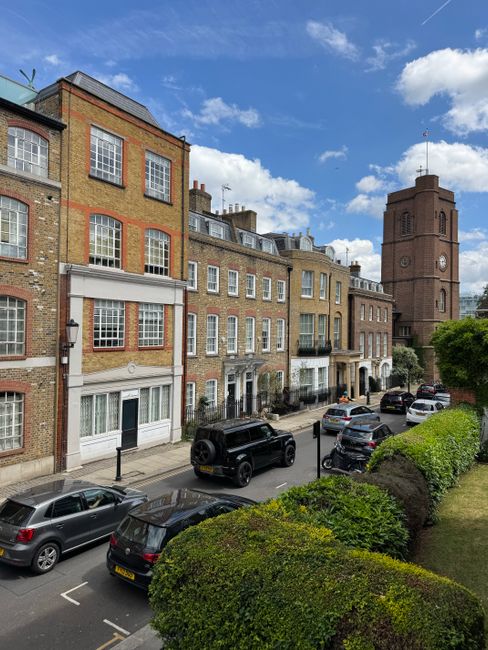
Book a Dartmouth Park office removal: affordable rates

If you need to book a Dartmouth Park office removal with affordable rates, you are probably balancing three things at once: budget, downtime, and the sheer hassle of moving desks, files, IT kit, and people without turning the week upside down. Fair enough. Office moves are rarely glamorous, but they do need to be handled properly if you want business to keep ticking along.
This guide breaks down how a local office removal in Dartmouth Park works, what affects the price, and how to keep costs sensible without cutting corners. We will also cover practical planning tips, common mistakes, and the kind of service details that matter in the real world - not just on a neat checklist. If you are comparing options, you may also find it useful to look at pricing and quotes and the wider office removals service information as you plan.
Why Book a Dartmouth Park office removal: affordable rates Matters
Let's face it: moving an office is not just "moving stuff". You are relocating workstations, monitors, printers, archive boxes, meeting room furniture, maybe a few awkward plants that somebody insists are essential, and almost certainly a pile of cables that nobody quite remembers plugging in. In a place like Dartmouth Park, where roads, parking, and access can be tight, the removal plan matters just as much as the lifting.
Affordable rates matter because office relocations can become expensive very quickly if the move is poorly scoped. A low upfront price is not useful if it turns into delays, extra labour, rushed packing, or damaged equipment. The smarter approach is to aim for a fair price that reflects the real size of the job and the access conditions at both addresses.
There is also the business side. Every hour your team spends waiting around is an hour not spent serving clients, answering calls, or getting work out the door. A well-organised office removal helps keep disruption short and predictable. That is the real value, more than just the number on the quote.
Expert takeaway: the cheapest office move is not always the best value. The best value is a move that is accurately priced, properly planned, and completed with minimal interruption to your working day.
In Dartmouth Park and the wider North London area, many office moves also have a local timing challenge. Roads can be busy, parking may need advance thought, and access through shared buildings can be fiddly. If you plan early, you reduce those friction points before they become expensive little surprises.
How Book a Dartmouth Park office removal: affordable rates Works
The process is usually simpler than people expect, though it still needs structure. In most cases, an office removal starts with a quick assessment of what needs moving, where it is going, and how awkward the access is. From there, a quote is prepared based on labour, vehicle size, distance, timing, and any special handling requirements.
Here is the practical version of how it tends to work:
- Initial enquiry - You share basic details about the office, including size, contents, floor level, and preferred moving date.
- Quote and scope - The removal company estimates the time, crew size, and vehicle requirements. If the job is small, a single van might be enough. Bigger offices may need a larger vehicle or more than one trip.
- Planning stage - This is where the details start to matter: lift access, parking, entry restrictions, fragile items, and whether packing help is required.
- Preparation - Boxes are labelled, IT is backed up and disconnected safely, desks are cleared, and fragile items are separated. A bit of prep here saves a lot later. Honestly, a lot.
- Move day - The team loads, transports, and unloads the office contents according to the plan, usually aiming for a straightforward, efficient handover.
- Set-down and finishing touches - Furniture is positioned, priority items are placed first, and you check that everything arrived as expected.
For jobs with limited access or awkward timing, you may want to plan around parking and loading conditions as well. Local route planning can make a surprisingly big difference. The blog posts on reserving a timed parking bay for Dartmouth Park Road removals and local route and parking costs on Dartmouth Park Hill are useful if your office is in a tight spot or near a busy stretch.
If you are comparing services, you will also see different labels such as man and van, removals van, office relocation services, and full removal company support. The wording matters a bit less than the actual service scope. What exactly is included? Packing? Loading? Insurance? Waiting time? It is worth asking plainly. No point guessing.
Key Benefits and Practical Advantages
A well-run office removal should feel controlled, not chaotic. That is the real advantage. The following benefits are the ones most businesses notice first.
- Lower disruption - With proper planning, your team can get back to work quicker.
- Better budget control - Affordable rates are easier to maintain when the move is accurately scoped from the start.
- Reduced handling risk - Fewer unnecessary lift-and-shift moments mean less chance of damage to desks, screens, or office stock.
- Cleaner timeline - A structured move is easier to schedule around clients, tenants, building rules, and staff availability.
- Local knowledge - A Dartmouth Park mover who knows the area is more likely to plan access, parking, and route timing sensibly.
- Less stress for your team - People can focus on their own jobs instead of improvising with heavy boxes and mystery cables.
There is also a subtle but important benefit: confidence. When you know the move has been properly thought through, you stop worrying about little things. That in itself is worth something.
And for businesses that are scaling, downsizing, or reshaping their workspace, a good office move can actually support operations rather than disrupt them. A cleaner move often leads to a cleaner setup. Less clutter, better layout, fewer "temporary" boxes that live in the corner forever. We have all seen that corner.
Who This Is For and When It Makes Sense
This service makes sense for a wide range of organisations, from very small teams to larger offices with more moving parts. If you are trying to keep costs reasonable while avoiding a messy handover, it is worth considering early rather than leaving it to the last minute.
It is especially useful for:
- small businesses moving between nearby offices
- start-ups upgrading into a better workspace
- consultancies, agencies, and professional services firms
- shared offices and co-working tenants with a packed exit deadline
- offices moving archive material or equipment alongside furniture
- teams that need help moving outside normal working hours
It can also be a good fit if you are not moving far but still need proper logistics. A short local move can still be fiddly. In fact, shorter moves sometimes create a false sense of ease, and that is where the trouble begins. "It's only round the corner" is a famous last sentence.
If your office includes specialist items such as large printers, servers, or bulky furniture, it may be better to choose a more tailored removal service rather than trying to improvise with a basic vehicle. If you need a broader service mix, pages like removal services and commercial moves can help you understand the wider options available.
Step-by-Step Guidance
If you want affordable rates without unpleasant surprises, the easiest win is to approach the move in stages. Rushing everything at the end tends to cost more, and not just in money.
1. Make a realistic inventory
List the furniture, boxes, electronics, documents, and any awkward items that need attention. A simple room-by-room list works fine. It does not need to be fancy. The point is to avoid underestimating the load.
2. Separate what is moving from what is staying behind
Be ruthless here. If something is broken, outdated, or no longer needed, move it only if you genuinely have to. Old kit is famous for eating time. Many businesses use a move as a natural reset point, and that is smart. If you are clearing out extra items, you may also find the guidance on furniture pick-up handy.
3. Check access at both properties
Measure doorways, note stairs, lifts, parking restrictions, and any loading limits. Even a small detail can change the shape of the job. For example, a second-floor office with a narrow stairwell is very different from a ground-floor unit with easy kerbside loading.
4. Decide what packing help you need
Some companies only need transport and loading. Others need full packing and unpacking support. If you have a lot of loose items, consider whether packing and unpacking services would save time and reduce breakages. To be fair, this is one area where people often underestimate the workload.
5. Back up digital files and label IT equipment
Before anything is unplugged, make sure your files are backed up. Label cables, monitors, and chargers. Keep one bag or box for the essentials, and make it obvious. If there is a "first day" setup kit, you will thank yourself later.
6. Book the move with enough lead time
Last-minute bookings can still work, but lead time usually gives you more choice and better planning. If you are under pressure, the move can still happen; just try to avoid making it a fire drill.
7. Confirm the quote in writing
Ask what is included. Labour, vehicle, waiting time, fuel, parking, packing support, and insurance should all be clear. A cheap quote is only cheap if the scope is clear. Simple, but easy to miss.
8. Prepare the office for moving day
Clear walkways, separate fragile items, and make sure someone in the office knows who is responsible for decisions on the day. A single point of contact helps keep things moving.
Expert Tips for Better Results
A few small choices can make an office move noticeably smoother and cheaper. These are the things that tend to make the biggest difference in practice.
- Move midweek if you can - Depending on the business, midweek timing can sometimes be easier than a packed Friday or Monday.
- Use colour coding - Colour labels on boxes and furniture help each department land in the right place quickly.
- Stage the move in zones - Move IT first, then desks, then storage, then loose items. It is less chaotic than mixing everything together.
- Keep one essentials box per team - Stationery, chargers, basic tools, and key documents should be easy to find on arrival.
- Measure before you move - That lovely desk may not fit through the lift, and that is the sort of discovery you want to make before move day.
- Use the move to reduce clutter - A lighter move often means a cheaper move. Truth be told, clutter has a habit of hiding in plain sight.
If your office is in a busy part of North London, think about timing as well as transport. Early starts can help avoid some traffic pressure, while careful scheduling can reduce the chance of waiting outside the building with a van full of desks and nowhere to put them. That's not a great feeling, no matter how you slice it.
For businesses trying to keep costs tight, the compare removal quotes for Dartmouth Park in minutes guide is a useful companion piece. It is not about chasing the lowest number; it is about comparing scope properly so you can see genuine value.
Common Mistakes to Avoid
Most expensive office move problems are avoidable. Usually. Not always, but usually.
- Under-briefing the mover - If the office size, floor level, or access details are vague, the quote may be less accurate and the move may take longer than expected.
- Leaving packing to the last evening - This creates rushed, poorly labelled boxes and a lot of avoidable stress.
- Ignoring parking and access - In Dartmouth Park, this can be a bigger issue than people expect.
- Forgetting to assign responsibility - If nobody is clearly in charge, small decisions get delayed and the day drifts.
- Not protecting fragile items properly - Screens, glass, and IT equipment deserve proper wrapping and careful handling.
- Choosing a service only on headline price - A low quote can be misleading if it excludes key tasks or adds charges later.
One of the quietest mistakes is forgetting the "arrival day" plan. Where does each desk go? Which room gets the archive boxes? Who has the key to the server cabinet? These questions sound small until nobody can answer them and everyone is standing in the corridor with a half-open box cutter.
Tools, Resources and Recommendations
You do not need a complicated toolkit to manage a local office move well. What you do need is a few practical basics and a clear process.
- Labels and markers - Use large, readable labels. Tiny handwriting is a trap.
- Strong boxes and tape - Office contents can be heavier than they look, especially files and books.
- Protective covers or wraps - Useful for monitors, chairs, and delicate furniture finishes.
- Simple move plan - A printed plan or shared document helps everyone stay aligned.
- Spare bags for loose items - Chargers, mouse leads, adapters, and small office bits need a home.
- Cleaning supplies - Always useful for a final sweep, especially if you want the old space left in decent shape.
For businesses with sustainability goals, it is worth thinking about how packing materials and unwanted furniture are handled. The website's recycling and sustainability information is a helpful place to review that side of the move. A tidy, responsible clear-out can be part of the process, not an afterthought.
You can also make life easier by separating items that need special handling. For example, archived documents, bulky furniture, or specialist equipment should not be bundled together just because they all happen to be in the same room. It sounds obvious. In practice, it often isn't.
Law, Compliance, Standards, or Best Practice
Office removals themselves are not normally complicated from a legal point of view, but there are still standards and responsibilities that matter. Businesses should think carefully about safety, insurance, building rules, and the handling of confidential information.
At a minimum, best practice usually includes:
- Safe lifting and handling - Heavy items should be moved using sensible manual handling methods, and where needed, proper equipment.
- Insurance awareness - Make sure you understand what cover applies to goods in transit and while being handled.
- Building permissions - Leasehold buildings, managed offices, and shared premises may have rules about moving times, lifts, parking, and waste removal.
- Data and document protection - Paper files and devices may contain sensitive information, so they should be secured appropriately.
- Clear terms and conditions - A written agreement should spell out scope, exclusions, and timing expectations.
If your office is in a leasehold building or managed block, internal rules can matter just as much as the move itself. The article on leasehold moving rules for Dartmouth Park flats and tenants' rights is not office-specific, but it gives a useful flavour of the kind of access and building restrictions that can affect local moves.
It is also worth checking the company's insurance and safety details before booking. Clear information around insurance and safety, as well as the health and safety policy, can help you feel more confident about how the move will be managed. If you need to understand the practical side of payment handling, the payment and security page is worth reviewing too.
In any business move, confidentiality matters. Client files, employee records, and internal documents should be handled with care. That is not dramatic; it is just good practice.
Options, Methods, or Comparison Table
There is no single "best" way to move an office. The right option depends on size, urgency, budget, and the sort of items you are moving. Here is a simple comparison to help you weigh up the choices.
| Move option | Best for | Typical strengths | Possible drawbacks |
|---|---|---|---|
| Small van move | Very small offices or a few key items | Affordable, flexible, quick for light loads | Limited capacity, may need more trips |
| Man and van | Small to medium office moves | Good value, easier for local jobs, practical for short distances | May not suit large or highly complex moves |
| Full office removals team | Medium to larger offices | More hands, better for heavy or numerous items, more structured | Usually costs more than a simple van-only option |
| Hybrid approach | Cost-conscious moves with a bit of complexity | Flexible mix of labour and transport, often sensible for local businesses | Needs good coordination to avoid confusion |
If you are torn between options, start with the actual load, not the label. A small office with awkward access can be more demanding than a bigger one with easy loading. In other words, square footage is only part of the story.
For a better sense of service style, you can also explore the pages for man and van, man with van, and movers. Those pages help you understand the practical differences in support level and vehicle type.
Case Study or Real-World Example
Here is a realistic example based on the sort of move many local businesses face.
A small design studio in Dartmouth Park needed to move from one floor of a shared building to a nearby office with slightly better light and a more usable layout. The team had six desks, several monitors, a compact storage unit, a printer, and around thirty boxes of files, samples, and office supplies. Nothing outrageous. But enough to become messy very fast if left to the team alone.
They started with an inventory and packed non-essential items a week ahead. A few things were recycled or left behind, which immediately reduced the load. They checked both buildings for access, reserved a sensible moving window, and labelled each workstation so the new layout could be rebuilt in the right order. The moving team handled loading, transport, and placement in a single run.
The clever bit was not dramatic. It was ordinary, and that is why it worked. No one tried to "just wing it". No one assumed the lift would be free. No one left cables in a tangled mystery pile. The move was completed with minimal interruption, and the studio was back up and running much sooner than they expected.
If you are dealing with a similar situation, that is the model to borrow: clear scope, fewer unnecessary items, and a move plan that respects the building as much as the furniture.
Practical Checklist
Use this checklist if you want the move to feel organised rather than chaotic.
- Confirm the move date and time window
- List every item that needs to be moved
- Separate keep, move, recycle, and dispose items
- Check access, parking, stairs, lifts, and loading points
- Notify staff of packing deadlines
- Back up all digital files and secure devices
- Label boxes by department, room, or workstation
- Set aside fragile and high-value items for special handling
- Confirm what the quote includes and excludes
- Ask about insurance, safety, and any building requirements
- Prepare a first-day essentials box
- Plan the furniture layout at the new office
- Arrange any recycling or unwanted-item removal
- Keep one person as the move-day contact
A short checklist like this can save a lot of mental noise. And yes, there is always mental noise on move day. That is just how office moves behave.
Conclusion
Booking a Dartmouth Park office removal at affordable rates is really about getting the balance right: fair pricing, proper planning, and a move that does not wreck the working week. If you scope the job carefully, compare quotes sensibly, and give attention to access, packing, and timing, you can keep costs under control without compromising on the things that matter.
The best moves feel calm because the work was done earlier. That's the secret, if there is one. Not magic, just preparation.
Get a free quote today and see how much you can save.
If you are still deciding how much help you need, it can be useful to review the company's broader office relocation services alongside the practical booking information on contact us. A quick conversation can clear up a lot faster than email back-and-forth, and that little bit of clarity is often what turns a stressful move into a manageable one.
Frequently Asked Questions
How do I book a Dartmouth Park office removal with affordable rates?
Start by giving a clear overview of your office size, access conditions, contents, and preferred moving date. The more accurate the information, the more useful the quote will be. Affordable rates usually come from a well-scoped job rather than a rushed guess.
What affects the cost of an office removal in Dartmouth Park?
Common factors include the amount of furniture and equipment, access at both properties, parking arrangements, floor level, distance, timing, and whether packing or unpacking is included. Fragile or specialist items can also change the price.
Is a man and van service enough for a small office move?
Sometimes, yes. If the office is small and the contents are light, a man and van setup can be a cost-effective choice. If you have heavy desks, multiple floors, or more complex handling needs, a fuller removal service may be better value.
How far in advance should I arrange an office removal?
As early as you can, ideally once the move date is reasonably fixed. That gives you time to compare options, prepare packing, and sort out any access or building requirements. Last-minute bookings can still work, but they are usually less comfortable.
Do office removals include packing and unpacking?
Not always. Some providers include it, while others treat it as an extra service. Always ask what is covered so you do not assume something that is not part of the quote. It is a small question that saves a lot of confusion.
How can I keep disruption to a minimum during the move?
Label everything clearly, back up digital data, prepare priority items first, and appoint one move-day contact. A staged move, with IT and essential furniture handled before the less urgent items, usually reduces downtime.
What should I do with unwanted office furniture?
Decide early whether items will be reused, recycled, donated, or removed separately. Clearing out unwanted furniture before the move can reduce costs and simplify loading. It also helps prevent clutter from being moved just because it is there.
Are office removals insured?
They may be, but you should always check the details. Insurance can vary by provider and by type of item being moved. Ask what cover applies to goods in transit and handling before you confirm the booking.
Can I move confidential documents safely?
Yes, but they should be handled carefully. Use sealed containers or clearly controlled boxes, and make sure only authorised staff can access sensitive files. For businesses handling private information, this is an important part of good practice.
What is the best day to move an office in North London?
There is no universal best day, but midweek often works well for many businesses because it can be easier to coordinate around staffing and operations. The ideal day will depend on your own workload, building access, and whether you want to reopen quickly.
How do I know whether I am getting a fair quote?
A fair quote should explain what is included, what might cost extra, and how the move is expected to work. Compare the scope, not just the headline number. If one quote is much lower than the others, check whether something important has been left out.
Where can I find more information before I book?
It helps to read through the pages on pricing, office removals, insurance, and safety, then contact the team with your move details. A few minutes of clear discussion often prevents awkward surprises later on.